
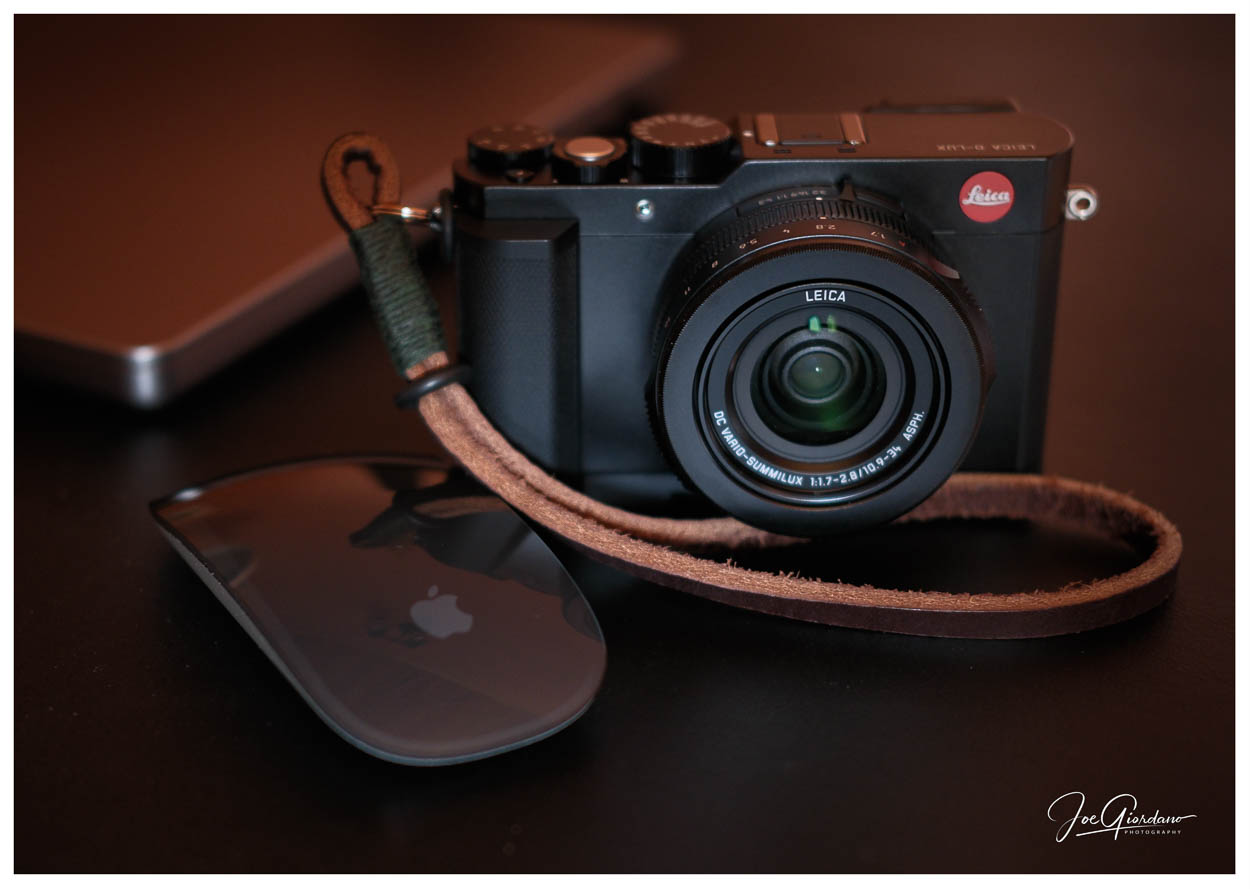
This is a post about a tiny little camera, the Leica D-Lux Type 109. Most of you probably know by now that I have been a Fujifilm shooter for a long time now. I have always had a sweet spot for small compact cameras particularly the Fuji X30 but most times they are limited in performance.
Let me list the disadvantages of compact cameras first:
- 1. High ISO performance is usually compromised in compact cameras because of the smaller sensor size.
- 2. Most compact cameras also are equipped with small aperture zoom lenses. There are a few exceptions like the Fujifilm X30, the Sony RX100 Mk3 and later, The Canon G7X to name a few.
- 3. When using a compact camera with a small aperture lens, bokeh or in laymen’s terms background blur is almost impossible to achieve.
Now for the advantages:
- 1. Most compact cameras are convenient because you don’t have to think about what lenses you want to carry with you like with an interchangeable lens camera.
- 2. They make great every day carry, vacation or even stealth street shooting tools.
- 3. Some of them are fun to use.
- 4. Picture quality in good to moderate light is exceptional.
Another great thing about using a compact camera is you blend in like a tourist instead of a photographer if your favorite genre is street shooting. I have published many street photos on this website and our black and white only site Monochromia that were taken with my Fuji X30. I thought I would switch things up a little and purchase this tiny Leica D-Lux Type 109. The price was right and the condition of the camera was like new so I took the leap. I also had to purchase the Leica accessory grip because the camera was just too small for my gorilla sized hands LOL.
The Leica D-Lux Type 109 has a micro 4/3 sized sensor which is large for a camera that’s a tiny bit larger than my Apple Magic Mouse which is shown right next to the camera. I’m not a neck strap kind of person so I fitted the camera with a Gordy’s leather wrist strap. The camera has a 24mm to 75mm equivalent zoom lens and a fast aperture of f/1.7 at 24mm which then slowly slides to f/2.8 at 75mm. I am finding that it has better high ISO performance than the Fuji X30 but in bright light both the X30 and type 109 are excellent performers. The focusing is also faster on the Fuji X30. Some people say the Leica D-Lux Type 109 is just a rebadged Lumix LX100 and they are mostly correct but there are a few differences. The Leica is made in Japan and the Lumix is made in China. The Lumix had a built in rubber hand grip and the Type 109 is typical Leica flat block of aluminum. Some of the menu items are also different on the Leica. Having owned both the Lumix and the Leica I find the color processing engines to be different with my vote favoring the colors the Leica spits out in JPEG mode. I don’t typically shoot RAW files so I can’t comment on them. The reason I don’t shoot RAW files is because after comparing the Fujifilm JPEG’s with the RAW files I find that the Fuji JPEG’s have enough latitude or flexibility to achieve the look that I want in post processing. IMO the raw files require more post processing work but to each their own. The Leica D-Lux Type 109 JPEG files seem to be flexible enough for me to work with also.
So I guess if you see future posts from me using this little gem you can assume that I am happy enough with the camera to keep it long term. Lets hope thats the case anyway 😊


 The Visual Chronicle